Petroleum coke (petroleum coke) is a carbon black solid with a blackish-gray color that remains from the destructive distillation of the remaining oil. This flea has the appearance of a honeycomb and does not dissolve in organic solvents.
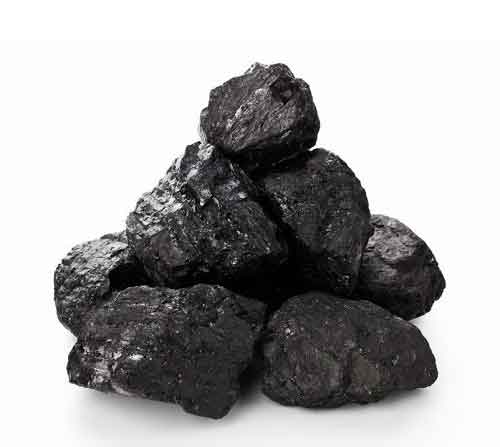
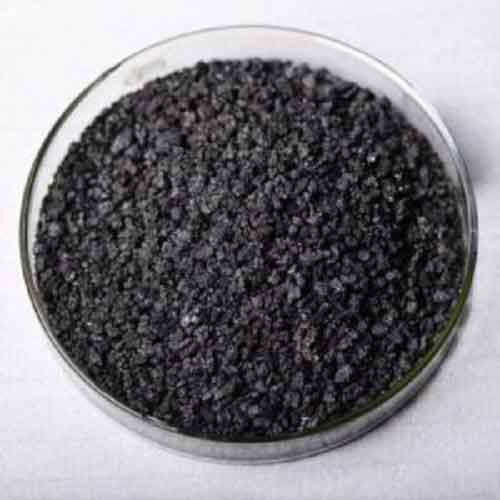
Petroleum coke (petroleum coke) is a carbon black solid with a blackish-gray color that remains from the destructive distillation of the remaining oil. This flea has the appearance of a honeycomb and does not dissolve in organic solvents.
Coking processes used in the production of petroleum coke include contact coking, fluid coking, flexicoking and delayed coking. The coke obtained in catalytic failure processes is usually non-recoverable and is commonly used as fuel.
This product is used to meet all the requirements in connecting the backfill to the ground. The carbon content of the coke ensures the high level of calcium in the coke at a very low rate of consumption in the backfill material, thus increasing the life of the system.
The low electrical resistance of this type of coke and the small size of its particles create the best possible connection between the anode and the surrounding soil environment.
Other advantages of this product are high specific gravity, spherical shape of particles with high compressive strength, wide range of particle dimensions, different grades for use in deep wells with ease of wetting, as well as lubrication properties.
Important points before submitting the request:
Read other users' comments and answers before asking your question or problem.
Answers to questions will also be sent via email. Please enter your details accurately (your email and contact number are confidential and will not be displayed on the site)