Coals are generally divided into two parts: thermal coal and coking coal. we is ready to supply thermal coal and coking coal for the cement, steel, ferroalloy and other industries. Announces the requested according to the analysis and granulation.
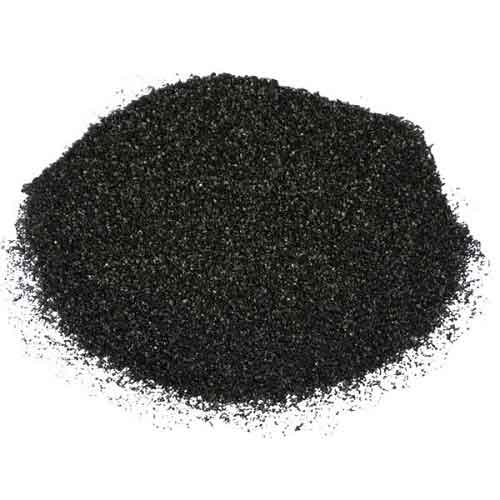
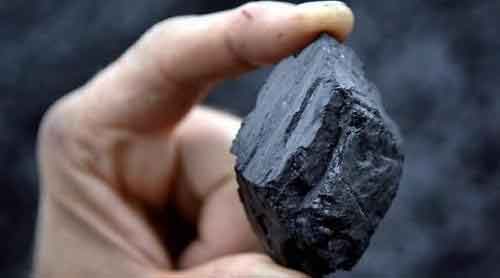
Coals are generally divided into two parts: thermal coal and coking coal. we is ready to supply thermal coal and coking coal for the cement, steel, ferroalloy and other industries. Announces the requested according to the analysis and granulation.
In general, it can be said that various factors such as the type and type of coal, sedimentation conditions, degree of transparency of coal, weight and hardness of coal are among the factors that are effective in determining the price of thermal coal.
Although no specific classification can be made for coal; However, depending on the environmental conditions and the amount of pressure applied, two categories of thermal coal and coking coal can be considered. Thermal coal is divided into two groups: high-calorie thermal coal and low-calorie thermal coal. This is while the abundance of coking coals in nature is less compared to thermal coals and is classified into two groups: coking fatty coals and fatty coals. In general, coal is a fossil fuel and therefore its most used in energy supply.
Coal volatiles are a set of gases that are released from coal at a temperature of more than 900 ° C as a result of indoor distillation. In a general category, these materials include sulfur gases, ammonia, methane, steam tar, hydrogen, carbon monoxide, carbon dioxide, and water vapor. The volume of these substances in coal varies from 8 to 51%.
Important points before submitting the request:
Read other users' comments and answers before asking your question or problem.
Answers to questions will also be sent via email. Please enter your details accurately (your email and contact number are confidential and will not be displayed on the site)